Endodontics
What is Endodontics?
Endodontics is a specialised area of dentistry that focuses on diagnosing and treating inflammatory diseases and conditions affecting the dental pulp, the nerve and blood supply of each tooth, and the tissues surrounding the tooth roots.
Dental pulp pathologies are typically caused by polymicrobial infections. These infections trigger inflammation within the dental pulp (known as pulpitis), which can eventually lead to its degeneration. The primary goal of any endodontic procedure is to eliminate the infection, thereby restoring the tooth to optimal health and functionality.
Why am I seeing a Specialist?
While general dentists are trained to perform routine root canal treatments as part of their undergraduate education, certain cases can present challenges that require the expertise of a specialist. Complex scenarios, such as teeth with curved roots, roots containing broken instruments, teeth affected by resorption, or those with narrow or calcified canals, often go beyond the typical skill set and equipment of a general dentist. Similarly, advanced procedures like apical surgeries (root-end surgeries) necessitate specialised training and equipment to ensure a successful outcome.
An Endodontist is a dental specialist with advanced training in diagnosing and treating complex root canal cases. They possess in-depth knowledge of root anatomy and access to state-of-the-art technologies, such as dental microscopes and 3D imaging systems, which are crucial for managing intricate procedures with precision.
If your dentist encounters a case that exceeds the scope of general practice, they may recommend a referral to an Endodontist to ensure you receive the highest standard of care and the best possible treatment outcome. This collaborative approach ensures your oral health needs are addressed with expertise and attention to detail.
What can I expect from a consultation?
Each consultation is personalised to address your specific needs and concerns, focusing on the tooth or teeth in question while also considering your overall dental health as part of a comprehensive treatment plan.
It involves:
• Diagnosis Confirmation: Identifying the issue with your tooth through a clinical examination and imaging.
• Treatment Options: Clear explanations of available treatments, including benefits, risks, and outcomes.
• Procedure Details: Step-by-step guidance on the proposed treatment and its expected duration.
• Cost Transparency: A breakdown of treatment costs for clarity.
• Comprehensive Reporting: A detailed report of your diagnosis and treatment plan will be shared with you and your dentist to ensure continuity of care.
Is This Treatment Available on the NHS?
It is not routinely available to see a Specialist Endodontist via the NHS, however in some instances a secondary care setting such as a dental hospital may accept some referrals to be carried out by dentists undergoing their specialist training.
Some things to be in mind when requesting an NHS referral is:
• This often involves a review of your case by a secondary care team to assess whether your condition meets the criteria for specialist treatment within the NHS.
• Due to high demand and limited availability of specialist Endodontists in the NHS, waiting times for both consultations and treatment can be significantly longer compared to private care.
• The range of treatments offered through the NHS may be limited compared to private clinics. While NHS Endodontists are highly skilled, certain advanced technologies and techniques (e.g., the routine use of dental operating microscopes or 3D imaging) may not always be available due to resource constraints.
• Delays in treatment can have an impact on the health of your tooth, particularly in urgent or complex cases. If time is a critical factor, you may wish to consider private treatment to avoid extended waiting periods.
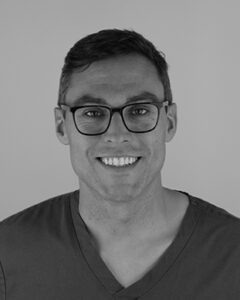
Dr Robert Kelly
Specialist Endodontist
BDentSc, BA, MJDF RCS (Ed), FHEA, MClinDent
(Endo), MEndo RCS (Ed)
Rob is a GDC-registered specialist in endodontics with extensive experience in root canal treatment. For many years, he has been accepting both internal and external referrals, earning a reputation for his expertise in this field.
After graduating from Trinity College, Dublin, Rob relocated to the UK to advance his practice. He achieved the Diploma of Membership of the Faculty of Dental Surgery (MFDS) from the Royal College of Surgeons in Edinburgh and later pursued a Master’s in Clinical Dentistry in Endodontics at King’s College London.
Rob is dedicated to providing timely, compassionate care to all patients, ensuring that every treatment meets the highest standards. To achieve this, he performs all procedures using a dental microscope and integrates advanced technologies, such as 3D scanning, when required.
GDC Reg Number 193648
For more information, please call to speak to our reception team on 0117 9682496 or ask your Dentist about how to be referred.
Dental Implants
What is a Dental Implant?
A dental implant is a titanium post that is surgically placed into the jawbone to replace a missing tooth root. Once the implant integrates with the bone, a crown, bridge, or denture is placed on top, restoring the function and appearance of the missing tooth.
Who is a candidate for dental implants?
Good candidates for dental implants are individuals with healthy gums and sufficient bone density to support the implant. Patients should also be in overall good health. If you have any concerns, a consultation with your dentist will determine if implants are right for you.
Are dental implants safe?
Yes, dental implants are very safe. The materials used are biocompatible and have been used successfully in dentistry for decades. Your dentist will carefully evaluate your health and needs to ensure the procedure is safe for you.
What are the benefits of dental implants?
• Permanent solution to missing teeth
• Look and feel like natural teeth
• Improve speech, comfort, and self-confidence
• Prevent bone loss and protect remaining teeth
• Do not require modification of adjacent teeth (unlike bridges)
How long do dental implants last?
With proper care and maintenance, dental implants can last for many years. Regular dental check-ups, good oral hygiene, and avoiding harmful habits (like smoking) can help prolong the life of your implant.
What is the procedure for getting a dental implant?
• Consultation: Your dentist will assess your oral health and create a personalised treatment plan, a 3D scan is also required to be able to assess your bone quality and density for implants.
• Implant placement: A small surgical procedure is performed to place the implant in the jawbone.
• Healing period: The bone heals and integrates with the implant (this can take a few months).
• Abutment placement: Once healed, an abutment is attached to the implant.
• Restoration: A crown, bridge, or denture is placed on top to complete the restoration.
How long does the procedure take?
The entire process typically takes up to 9 months, with healing time varying for each patient. The surgical placement itself usually takes about 1-2 hours per implant.
Does the implant procedure hurt?
Most patients experience minimal discomfort during the procedure, as it is done under local anaesthesia. Post-surgery pain is usually managed with over-the-counter pain relief, and any swelling or discomfort typically subsides within a few days.
How do I care for my dental implants?
Caring for dental implants is similar to caring for natural teeth:
• Brush twice a day with fluoride toothpaste
• Clean interdentally (in between the teeth/implant) daily
• 3 monthly hygienist appointments
• An annual implant review with your implant dentist to check the implant is healthy
• Visiting your general dentist regularly for check-ups
• Avoid biting on hard objects or using your teeth as tools
Are there any risks or complications?
As with any surgery, there are risks involved, such as infection, nerve damage, or implant failure. However, these risks are rare, and your dentist will carefully plan your treatment to minimise complications and advise you on how to properly care for your implant.
Who will perform my procedure?

Dr Touraj Razavi
Oral & Implant Surgeon
BDS MSc (ImpDent) KCL, PG Cert Oral Surgery (Bris),
PG Dip Oral Surgery RCS (Eng)
Touraj qualified as a dental surgeon from the University of Wales College of Medicine in 1999, working in oral and maxillofacial surgery, restorative, and paediatric dentistry before moving to private practice. In 2010, he completed an MSc in Dental Implantology at King’s College London, receiving the AstraTech Implantology prize and publishing his research in Clinical Oral Implantology Research (July 2010). He earned a postgraduate certificate in oral surgery from Bristol University in 2017 and a diploma from the Royal College of Surgeons of England in 2019.
GDC Reg Number 75989
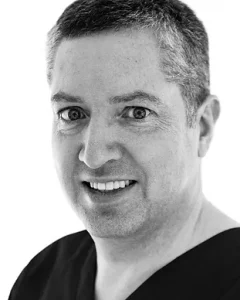
Dr Rob Adams
Specialist Oral Surgeon
BDS, FDS RCS(Eng), MSurgDent RCS, MSc (UCL Implant Dentistry) FHEA
Robert graduated in 1992 and trained in Oral & Maxillofacial Surgery for 8 years. He is recognised by the General Dental Council as a Specialist in Oral Surgery. In 2001, he completed an MSc in Implant Dentistry at the Eastman Dental Hospital, London, with Distinction. Robert has worked as a Clinical Lecturer in Dental Implantology at Cardiff Dental Hospital since 2003, teaching postgraduate students. He has lectured nationally and internationally and teaches courses on bone augmentation, soft tissue management, and implant aesthetics. Robert specializes in dental implantology, peri-implantitis treatment, bone grafting, and cosmetic gum surgery, focusing on reconstructing bone and gum tissue to enhance implant aesthetics.
GDC Reg Number 67418
For more information, please call to speak to our reception team on 0117 9682496 or ask your Dentist about how to be referred.
Orthodontics
What is Orthodontics?
Orthodontics is a dental specialty focused on the alignment and movement of teeth to improve their position, function, and overall appearance. Straightening teeth can enhance your smile, correct bite issues, close gaps, and improve oral health by making teeth easier to clean and maintain.
Orthodontic treatment may also be part of a collaborative plan with other dental specialists to create space for implants, bridges, or other restorative work.
Who will I be seeing?
Our practice is home to a skilled team of Specialist Orthodontists who are experts in creating tailored treatment plans for patients of all ages.
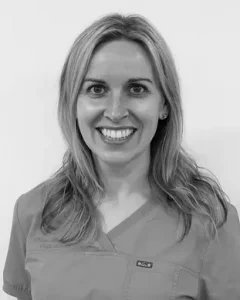
Dr Clare McNamara
Specialist Orthodontist
BDS, MFDS RCS (Ed), MOrth RCS (Ed), DDS (Bris),
FDS Ortho RCS (Ed)
Clare is a Specialist Orthodontist with over 15 years of experience in the field. She completed her specialist orthodontic training in Bristol, followed by consultant training in Cheltenham and Gloucestershire Hospitals. Clare later worked as a part-time Consultant Orthodontist at Bristol Dental Hospital, where she treated a variety of complex cases and taught both undergraduate and postgraduate dental students.
Now focusing exclusively on specialist orthodontic practice in Bristol, Clare provides tailored treatments for patients of all ages, from growing children to adults. She is skilled in a wide range of orthodontic systems, including fixed appliances and removable aligners. Clare also collaborates closely with other dental specialists to manage complex cases requiring a multidisciplinary approach.
GDC Reg Number 81080
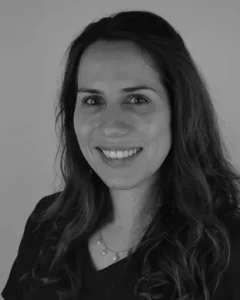
Dr Isa Caterina Mendes
Practice Limited to Orthodontics
BDS (Porto), MSc Clin Ortho(Porto), PG Cert Ortho
(Eng)
Isa Caterina grew up in Braga, Portugal, and graduated in Dentistry from the University of Porto in 2011. Passionate about craniofacial growth and orthodontics, she pursued advanced studies, completing a master’s degree in Clinical Orthodontics in 2014. Isa gained extensive experience working in hospitals and specialist practices in Portugal before moving to Wales in 2015, where she undertook vocational training and focused on Orthodontics within general practice.
Since settling in Bristol in 2021, Isa has continued to expand her expertise through specialised courses and is currently pursuing a master’s degree in Birmingham while working in private practice. She provides a full range of orthodontic treatments, including “invisible” aligners and ceramic brackets, with a focus on minimally invasive techniques.
GDC Reg Number 261349
For more information, please call to speak to our reception team on 0117 9682496 or ask your Dentist about how to be referred.
What will happen at the assessment appointment?
Your initial consultation is designed to address your concerns and evaluate your orthodontic needs. During this appointment:
• The orthodontist will perform a thorough examination of your mouth, teeth, and bite.
• A digital scan, photographs, and X-rays (if necessary) will be taken to assess the health of your teeth, gums, and supporting bone structure.
• Possible treatment options will be discussed, including the estimated duration of treatment and the types of appliances that may be suitable for your case.
• Fees and payment plans will be outlined, and you’ll have the opportunity to ask any questions.
Following the consultation, you will receive a detailed report summarising the proposed treatment options, costs, and next steps.
What appliance options are there?
Not all braces are suitable for every patient, and your orthodontist will discuss the most appropriate options for your specific needs during the consultation.
Common appliance options include:
• Fixed Braces: These “train track” braces are attached to the teeth and are available in metal, champagne gold, or discreet tooth-coloured ceramic brackets.
• Removable Aligners: Aligners are clear, custom-made trays designed to shift teeth gradually. These aligners are nearly invisible and are changed weekly, making them a popular, aesthetic option.
Your orthodontist will ensure you understand the benefits and limitations of each type of appliance so you can make an informed decision about your treatment.
Oral Surgery
What is Oral Surgery?
Oral Surgery is a dental specialty focused on the diagnosis and surgical management of conditions affecting the mouth and jaws. It involves treating patients of all ages, from children to adults, including those who are dentally anxious or have complex medical needs.
Common procedures performed by Oral Surgeons include:
• Surgical removal of wisdom teeth and difficult extractions
• Treating patients with complex medical histories
• Soft tissue surgery
• Removal of cysts in the jaws
• Excision of benign skin lesions
• Providing conscious sedation to phobic patients
Oral Surgery combines precision and care to address both functional and aesthetic concerns, ensuring patients receive expert treatment tailored to their individual needs.
Why am I being referred to a Specialist Oral Surgeon?
A Specialist Oral Surgeon is a dentist who has undergone extensive postgraduate training and is registered as a specialist with the General Dental Council. Dentists refer patients to a specialist for cases that are beyond their scope of practice or at the patient’s request to ensure they receive the highest level of expertise.
Can this be carried out on the NHS?
Many procedures, such as wisdom tooth removal, cyst removal, or the excision of benign skin lesions, are available on the NHS through referral to secondary care, such as a dental hospital.
What can I expect from my consultation?
Your consultation will include a meeting with your clinician, a review of your medical and dental history, and, if necessary, additional X-rays or scans to assess your case. At SD&IC, we use state-of-the-art technology to perform these assessments during your consultation. You will also receive a treatment plan and an estimate of costs following this appointment.
Can I have the procedure and consultation in the same appointment?
In some cases, it may be possible to perform the procedure on the same day as your consultation, provided your referral includes your medical history and relevant X-rays. This will allow us to review your case in advance and liaise with the clinician to determine feasibility. For procedures such as wisdom tooth removal, a consultation appointment is needed so that the location of important nerves can be identified by way of a panoramic x-ray before proceeding to treatment.
It’s essential to note that informed consent is a key part of any dental treatment. This process ensures you fully understand all of your options, as well as the associated risks.
What can I expect from the procedure?
Most procedures are carried out under local anaesthetic and will have no restrictions for driving home after. You are welcome to bring someone with you for support. We can however offer to carry out a particularly difficult or long procedure with conscious sedation to make it more comfortable for you. You will be fully supported by the clinician and their nurse during the procedure. We may give you advice for analgesia after the procedure using over the counter medication.
Please let the clinician know if you have any allergies or medical conditions that may prevent this.
What happens after the procedure?
After the procedure you will be given post-operative advice on how to look after your mouth during the healing period. If you required some sutures during the procedure, the clinician will normally have a review appointment with you 10-14 days after the procedure to assess healing and remove any remaining sutures. If you have any concerns following your procedure, you can contact the practice directly for advice or to book an earlier appointment.
Who will perform my procedure?

Dr Chris Bell
Specialist Oral Surgeon
BDS, DPDS, MSC, FDS, RCS (Eng)
Christopher Bell holds a Clinical Lecturer position in Oral Surgery and Dental Science at Bristol Dental Hospital. After graduating from Bristol Dental School in 1980, Christopher became a Fellow of the Royal College of Surgeons of England Faculty of Dentistry in 1984. He gained his Masters Degree in Dental Science in 2002.
GDC Reg Number 54662

Dr Emma Brown
Specialist Oral Surgeon
BDS (Hons), MFDS RCPS (Glasg), MOral Surg
RCPS (Glasg), DipDsed
Emma is a GDC-registered Specialist in Oral Surgery. After graduating from Cardiff Dental School in 2011, she pursued hospital dentistry, gaining extensive experience in Oral and Maxillofacial Surgery and Oral Medicine through various posts in South Wales and the South West. She completed her specialist training at the Great Western Hospital in Swindon, earning recognition with prizes at regional and national conferences. Emma is passionate about caring for anxious patients and is qualified to provide sedation, having completed a Diploma in Dental Sedation at King’s College London.
GDC Reg Number 210328
Paediatric Dentistry
What is a Paediatric Specialist?
A paediatric specialist is a dentist who has acquired further training and experience in their field to treat dental issues and concerns for infants, children and teens. Paediatric dentistry covers the practice, teaching and research into the comprehensive and therapeutic oral healthcare for children from birth to adolescence, including care for children who have intellectual, medical, physical, psychological or emotional additional needs.
Paediatric dentists work closely with paediatricians, surgeons and anaesthetists as part of a team caring for children with complex medical problems.
What are the benefits of seeing a Paediatric Specialist?
Following completion of their undergraduate dental qualification, a paediatric specialist has undertaken additional training in a hospital setting for a minimum of 7 years prior to gaining entrance to the general dental council specialist list for paediatric dentistry. Because of this they are able to provide comprehensive dental treatment with a global understanding of a child’s needs and capabilities.
What type of treatments can a Paediatric Specialist offer?
Sarah can provide a wide range of treatments to children of all ages, including infants, anxious children and children with additional needs. We provide preventative treatments such as dental hygiene, fluoride application, and fissure sealant restorations. As well as restoration of dental decay including composite (white fillings) and preformed metal crowns.
We manage acute dental traumas and complications associated with these. Sarah carries out extractions of both primary and permanent teeth and minor oral surgery. Sarah regularly uses inhalation sedation to help alleviate dental anxiety.
Is it normal for my child to have dental anxiety?
It’s common for children to feel nervous about dental visits. Paediatric dentists are specially trained to work with anxious children and use techniques to make the experience as comfortable and reassuring as possible. Bring your child to the dentist regularly to help them become familiar with the office environment.
How do I care for my child’s teeth at home?
• Start brushing as soon as your child’s first tooth appears, using a soft-bristled toothbrush and water.
• By age 2, use a small amount of fluoride toothpaste.
• Encourage brushing twice a day and flossing once they have two teeth that touch.
• Avoid sugary foods and drinks, especially sticky or sugary snacks.
• Limit juice and soda intake, and never let your child sleep with a bottle in their mouth.
• For infants, clean their gums with a soft cloth after feedings to remove bacteria.
Why Inhalation Sedation?
Inhalation sedation is a great way to reduce anxiety in our young nervous patients. It is common for children to feel worried when coming to a dental practice and having treatment carried out. This is way we are able to provide most of our treatments under inhalation sedation which is also referred to as ‘happy air’.
To check your child is suitable for the inhalation sedation we will first perform a sedation assessment during the consultation appointment. During the consultation appointment we will give you the time to ask any questions that you may have regarding the treatment and make sure that you and your child are comfortable with the process. If you decide you are happy to proceed, we will go through the consent paperwork and arrange a separate appointment to carry out the treatment and give you all the information you need prior to that to make sure you are fully informed and happy with the treatment plan.
Who will my child see?

Dr Sarah Tukmachi
Specialist in Paediatric Dentistry
BDS, MJDF, MClinDent (Paed Dent), MPaedDent RCS,
FDS (Paed Dent) RCS
Sarah graduated as a dental surgeon from the University of Bristol in 2010. She has undertaken several training posts in leading teaching hospitals across the country including oral and maxillofacial surgery, restorative dentistry and paediatric dentistry.
Sarah has completed her clinical specialty training in Paediatric Dentistry at the Royal London Dental Hospital, gaining membership of the Royal College of Surgeons and entry to the specialist list. Alongside her specialty training Sarah completed a clinical masters in Paediatric Dentistry at Queen Mary University London, developing her research interest in the facial growth of children with haemoglobinopathies. Sarah completed her consultant training at the Royal London Dental Hospital and is currently a Locum Consultant at Bristol Dental Hospital. Sarah has a committed interest in the treatment of anxious and very young children. She aims to provide a holistic approach to every child’s dental treatment, and she accepts referrals for treatment under inhalation sedation, traumatic dental injuries, behaviour management, immature root canal treatment, management of the developing dentition and dental anomalies, treatment of dental decay and dental extractions.
GDC Reg Number 67418
For more information, please call to speak to our reception team on 0117 9682496 or ask your Dentist about how to be referred.
Periodontics
Why am I being referred to a Periodontist?
A periodontist is a dentist who has undergone further training to become a dental specialist. A periodontist focuses on the prevention, diagnosis and treatment of diseases and conditions affecting the gums around the natural teeth and dental implants.
A Periodontist can treat:
• Complex and advanced cases of gum disease
• Problems around dental implants
• Gum recession
• Gummy smiles
• Complex dental cases, where input from multiple specialists is required.
What is Gum Disease?
Gum disease is a broad term which describes a range of conditions affecting the gums. Bacteria naturally exist in the mouth and builds up on the teeth throughout the day. If the bacterial biofilm, known as plaque, is not removed from the teeth surfaces (especially at the gum line), it can cause inflammation of the gums. Gum inflammation is called gingivitis, and this is a reversible condition. If gingivitis is not treated, it can progress causing a loss of the ‘attachment’ between the tooth and the gum, which forms an unwanted ‘pocket’ that can harbour harmful bacteria and result in irreversible bone loss around teeth. This is known as periodontitis and has varying severities.
What are the risks of not having treatment for gum disease?
Gum disease can cause bleeding and tender gums, bad breath, gum recession, tooth sensitivity and at the end stages, wobbly teeth and ultimately tooth loss. Sometimes gum disease is silent and does not show any symptoms until the end stages. Therefore, it is recommended to have treatment whether you have symptoms or not.
Active and untreated gum disease does not only affect the teeth and gums, it has been associated with 57 systemic diseases including heart disease, diabetes and Alzheimer’s.
Who is more susceptible to gum disease?
There are many factors which make someone more susceptible to suffering with gum disease, such as:
• Strong family history of gum disease
• Current or ex-smoker
• Poorly controlled diabetes
• High stress and poor coping of stress
• Suppressed immune system
• Sub-optimal daily oral hygiene
What does treatment usually involve and how long does it take?
Imogen will start by seeing you for a consultation, she will take a detailed history to understand your concerns and identify any contributing factors. A full periodontal (gum) charting and further investigations, such as x-rays may be performed. Imogen will explain your clinical and radiographic findings and suggest an onwards treatment plan based on your individual needs. The consultation will be followed up with a report to you and your dentist, outlining the diagnosis, suggested onwards plan and treatment fees. Imogen will keep you and your dentist up to date on the progress of your treatment throughout.
Everyone’s disease is unique, so you will have a treatment plan tailored to your specific needs. For patients with active gum disease, the treatment will often start with reviewing and modifying your daily tooth brushing habits and a deep clean under local anaesthetic may be advised, after a deep clean the gums will need time to heal and be reviewed after 3-6 months. Sometimes more advanced surgical procedures will be advised. You and your dentist will be kept up to date on the progress of your treatment throughout.
Who will I be seeing?

Dr Imogen Bury
Specialist Periodontist
BDS (Bris), MFDS RCSEd, MSc Res (Bris),
MClinDent Hons(KCL),
MPerio RCSEd
Imogen initially trained as a general dentist at Bristol Dental Hospital, before building experience in general dentistry and undertaking a further 4 years of specialist training in Periodontology at Guys Dental Hospital, London Bridge. This training has equipped Imogen to treat patients with a range of periodontal treatments, depending on the individuals needs. Imogen works in Bristol, splitting her time between private practices in the Dentina Group.
Outside of the surgery, Imogen enjoys keeping active, cooking for her friends family and exploring the South West.
GDC Reg Number 228326
For more information, please call to speak to our reception team on 0117 9682496 or ask your Dentist about how to be referred.
Prosthodontics
What is Prosthodontics?
Prosthodontics is a specialised branch of dentistry that focuses on the restoration and replacement of missing or damaged teeth. Prosthodontists are dental professionals who undergo additional training to develop expertise in creating and fitting artificial replacements, such as crowns, bridges, dentures, and dental implants. They also address complex cases involving jaw and facial structures.
Key areas of Prosthodontics:
• Crowns and Bridges
• Dentures
• Dental Implants
• Cosmetic Prosthodontics: This includes treatments to improve the appearance of teeth and smiles, such as veneers or full-mouth reconstructions.
• Treatment for Jaw Disorders: Prosthodontists also treat issues like temporomandibular joint (TMJ) disorders and congenital oral deformities.
Why visit a Prosthodontist?
If you have missing teeth, damaged teeth, or require extensive oral rehabilitation, a prosthodontist can provide advanced care tailored to your specific needs. Their expertise ensures functional, durable, and aesthetically pleasing results, helping you regain confidence in your smile and maintain good oral health.
What can I expect from a consultation?
During a prosthodontic consultation, the Prosthodontist will:
• Conduct a thorough examination of your teeth, gums, and jaw.
• Take X-rays, impressions, or scans as needed to assess your oral health and structure.
• Discuss your dental concerns, goals, and treatment options.
• Develop a customised treatment plan based on your unique needs and preferences.
• All of the findings will be put into a comprehensive report detailing the different treatment options, timeframe for treatment and costs.
Is this treatment available on the NHS?
Some restorative treatments are available on the NHS through referrals to Dental Hospitals. These treatments are often carried out by undergraduate dental students under supervision and are typically limited to less complex cases. Acceptance for treatment is very selective and depends on the educational requirements of the students at the time. Additionally, waiting times can be significantly longer, making this option less suitable for patients with more complex needs.
How long could the treatment take?
The duration of treatment varies depending on each patient’s unique case. Simpler procedures may take a few weeks to complete, while more extensive treatment plans, such as those involving dental implants, can take several months due to the need for healing periods between stages. Your endodontist or restorative specialist will provide a tailored timeline during your consultation to give you a clearer idea of what to expect.
Who will I be seeing?

Dr Elizabeth Boone
Specialist Prosthodontist
BDS MJDF RCSEng MClinDent Hons (Pros) MRD
RCSEng
Libby is a Specialist Prosthodontist she studied at the world-renowned Eastman Dental hospital where she graduated with honours and received the Deans prize. She is a Senior Clinical Lecturer at the University of Bristol Dental School and has an active role in the MSC Implantology programme.
As a Prosthodontist her main clinical interests include complex dental treatment focusing on the management of tooth wear, fixed and removable restorations to replace missing teeth, occlusal issues (bite problems), aesthetic dentistry and implant placement and restoration. Outside of her clinical work, Libby has an active role in dental education, teaching undergraduate and postgraduate students.
GDC Reg Number 228290

Dr Matthew Brennand Roper
Specialist Prosthodontist
BDS MJDF RCSEng MClinDent Hons (Pros) MRD
RCSEng
Dr. Brennand Roper is a Consultant in Prosthodontics and Restorative Dentistry, specializing in implants, periodontology, endodontics, and oral reconstruction. He trained at the Edinburgh Dental Institute and has held consultant roles at Glasgow and Bristol Dental Hospitals, where he is the restorative lead for cleft, hypodontia, and dental developmental deformities.
A Fellow of the Royal Colleges of Surgeons of Edinburgh and Glasgow and the International Team for Implantology (ITI), Matthew also works in private practice in London and Bristol and is an Honorary Senior Lecturer at the University of Bristol.
Active in professional leadership, he serves on the UK, Ireland, and Global Young ITI Committees and examines for the University of Bristol and the Royal College of Surgeons of Edinburgh. A sought-after lecturer and published researcher, his interests include tissue regeneration and implant therapies for hypodontia.
GDC Reg Number 112806
For more information, please call to speak to our reception team on 0117 9682496 or ask your Dentist about how to be referred.
Conscious Sedation
What is conscious sedation in dentistry?
Conscious sedation is a technique used to help patients relax during dental procedures while keeping them awake and able to respond to instructions. It involves the use of medications to reduce anxiety, discomfort, and pain without fully putting the patient to sleep.
What types of conscious sedation are used in dentistry?
• Nitrous Oxide (Laughing Gas): A mild sedative that is inhaled through a mask. It helps to relax the patient and reduces pain perception while allowing full awareness of the surroundings. We primarily use this method for children only within the practice.
• IV Sedation: Administered through a small intravenous line in your arm, this method delivers a deeper level of sedation, where patients remain conscious but may have little to no memory of the procedure afterward.
Is conscious sedation safe?
Conscious sedation is generally considered safe when performed by a trained dental professional. Before the procedure, your dentist will conduct a thorough pre-assessment, reviewing your medical history and checking baseline measurements, such as blood pressure and oxygen levels, to ensure conscious sedation is appropriate for you in a primary care setting.
During the procedure, your vital signs will be closely monitored by both the sedationist and a sedation nurse, ensuring your safety throughout the treatment.
Who is a good candidate for conscious sedation?
Sedation is not suitable for patients with complex medical histories and conditions such as sleep apnoea, suitability will be determined at the pre-assessment appointment and you will be informed of your alternative options for treatment.
Conscious sedation is ideal for patients who:
• Experience anxiety or fear about dental procedures
• Have a low pain threshold
• Have a strong gag reflex
• Need extensive dental work and would prefer to be relaxed during treatment
• Have special needs that make dental procedures challenging
Will I be completely unconscious?
No, with conscious sedation, you will remain awake and aware, though deeply relaxed. You will be able to communicate with your dentist, follow instructions, and respond to questions, but you may feel drowsy or detached from the procedure.
How long does the sedation last?
With intravenous sedation, the sedative effects can last for several hours. Your dentist will monitor you closely until you are fully alert and stable. However, even if you feel normal, the sedative medication remains in your system for up to 24 hours. During this time, you should avoid driving, cooking, operating machinery, signing important documents, or caring for children.
Is conscious sedation painful?
No, conscious sedation is specifically designed to reduce anxiety and discomfort during dental procedures. You will still require local anaesthetic injections to numb the area but you will receive the sedation first to ensure you are relaxed and comfortable before hand.
How should I prepare for conscious sedation?
• You will need to bring a responsible adult to accompany and stay with you for the duration of your appointment and for 24 hours afterwards. If this is not arranged, we will need to cancel your appointment.
• Ensure you have appropriate travel organised either by car or taxi. It is advised not to use public transport.
• You can eat a light meal up to 2 hours before the appointment.
• Ensure your medical history is up to date and inform the sedationist of any changes.
• Remove any false nails or nail varnish as this can effect the monitoring equipment.
What can I expect during the procedure?
To administer IV sedation, a small cannula is inserted into a vein either in the back of your hand or arm, and the sedative is delivered through the IV. You will feel deeply relaxed and will have limited memory of the procedure.
Are there any risks or side effects?
Conscious sedation is generally safe, but some mild side effects may include:
• Drowsiness or grogginess after the procedure
• Slight nausea or dizziness
• A dry mouth or minor headache
• Allergic reaction (rare)
Serious side effects are rare when sedation is administered by a trained professional.
How long will it take to recover from sedation?
Recovery can take several hours, and you should plan to rest and have someone drive you home.
Can I drive myself home after the procedure?
No, you will not be able to drive for 24 hours after receiving IV sedation.
For more information, please call to speak to our reception team on 0117 9682496 or ask your Dentist about how to be referred.